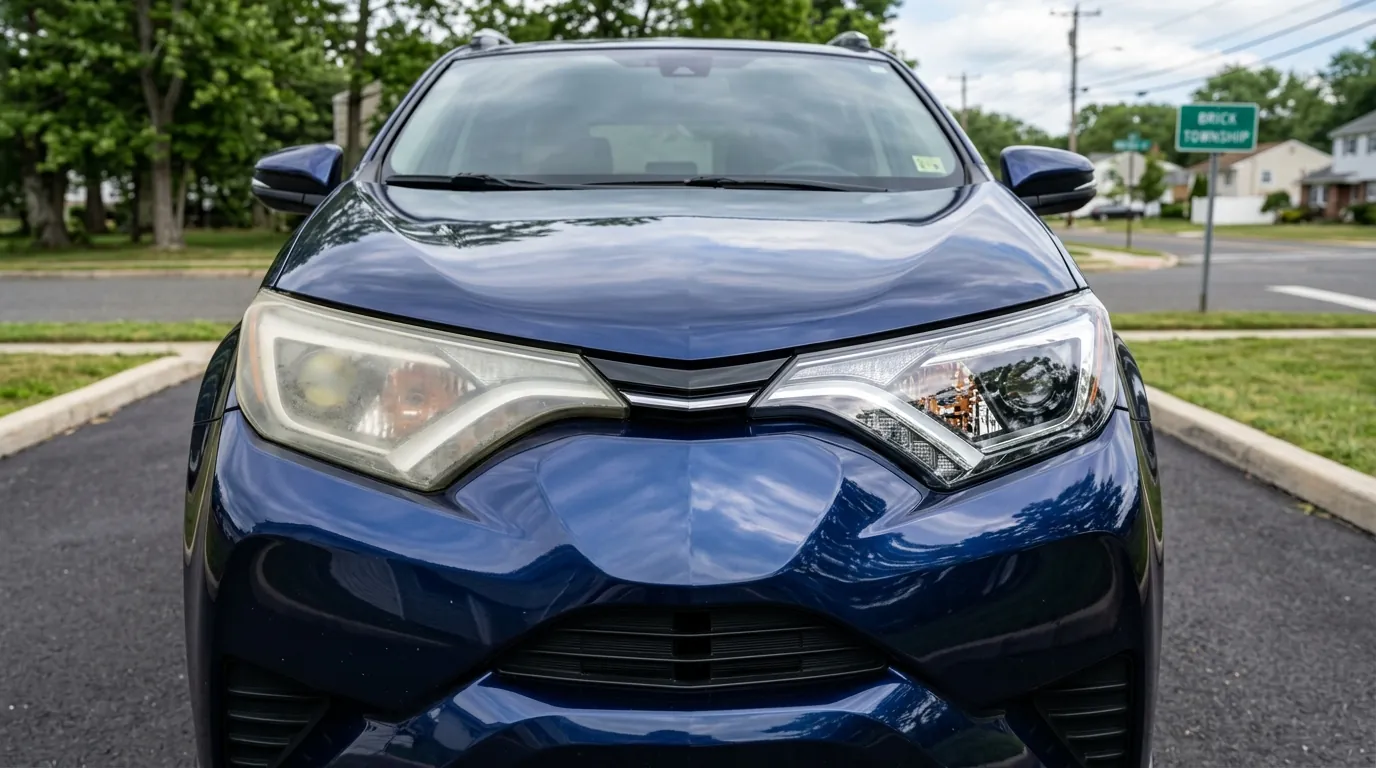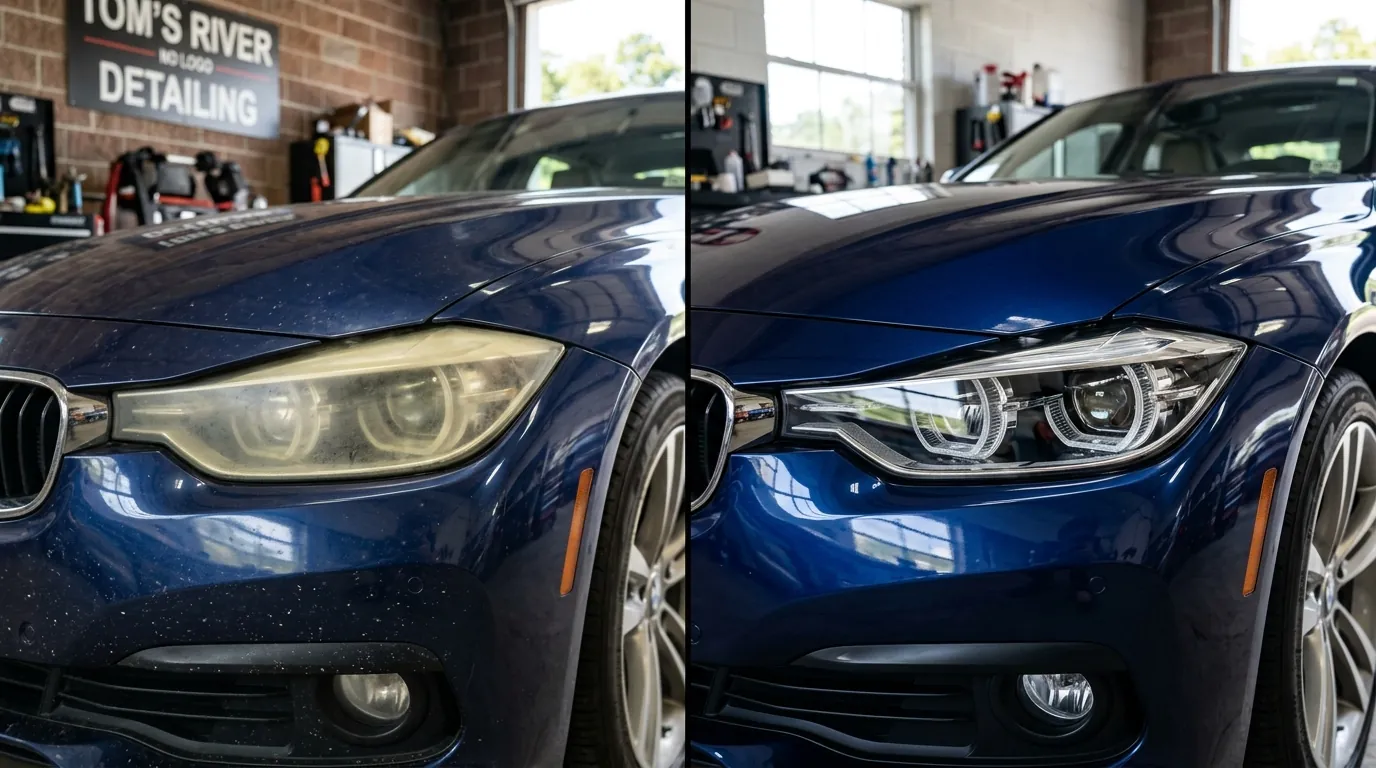
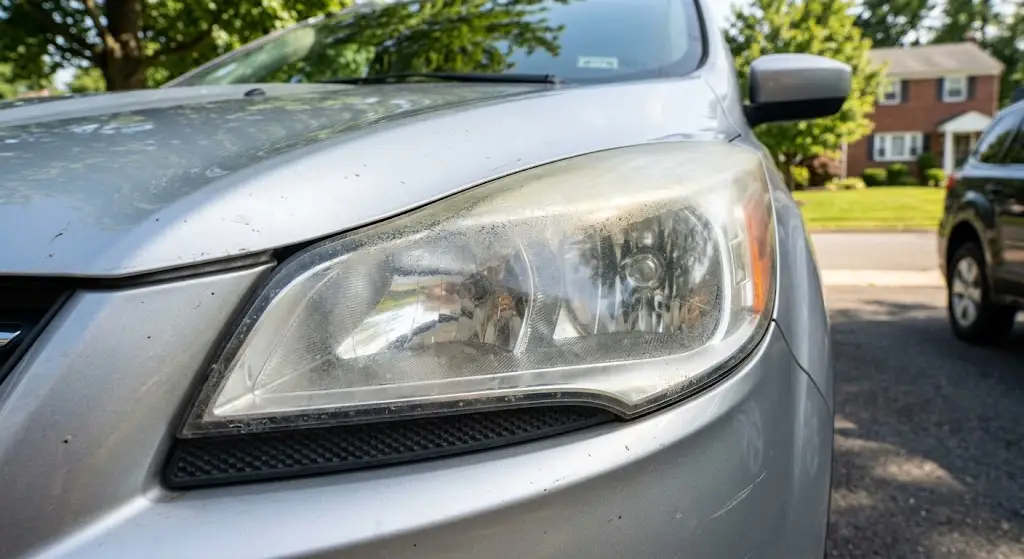

New Jersey drivers deal with plenty of environmental exposure throughout the year. Strong sunlight, rain and other environmental elements can damage the vehicles with time. One common issue such as cloudy or yellowish. Understanding the headlight oxidation NJ can help in identifying the vehicle’s signs and taking action before the lenses become worse.
What Causes Headlight Oxidation in New Jersey?
Most of the time, modern cars use polycarbonate or plastic lenses. This kind of material is strong and light in weight, but the surface can deteriorate when exposed to environmental conditions for a long time.
New Jersey’s changed climate can contribute to this kind of deterioration. Vehicles parked outside of the door are exposed to sunlight during the warm days for the whole year. The original protective coating on a headlight lens helps shield the plastic from ultraviolet radiation. As that coating wears down, the plastic underneath becomes more vulnerable.
Once the surface is exposed, headlight oxidation NJ can develop. This kind of lens becomes hazy, yellow, cloudy or dull with time. The process usually happens slowly, so many drivers do not notice it until the headlights have become significantly discolored.
How UV Rays Damage Headlight Lenses
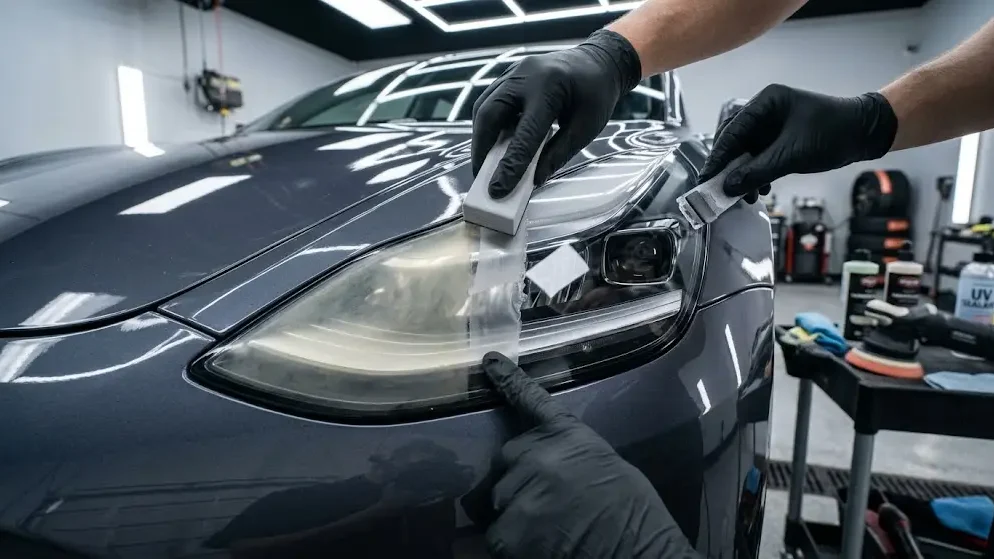
UV radiation is one of the main causes of headlight oxidation NJ. When UV rays reach the plastic lens, UV rays can break the protective surface with time. Once the coating has become damaged, the underlying plastic is more into oxygen, heat and environmental elements. The surface can then begin to oxidize and lose its original transparency. This is why vehicles that spend most of their time outdoors may develop cloudy headlights faster than vehicles that are regularly parked inside a garage.
Oxidation and Yellowing
Oxidation changes the appearance of the headlight lens. It may begin as a light haze that is difficult to notice. Over time, the surface can become increasingly cloudy and eventually develop a yellow or amber color.
Heavy headlight oxidation NJ can also influence the lighting through the lens. Instead of allowing light to travel through the vehicle surface, the damaged plastic can cause scatter. This can lessen the overall clarity of the headlight and this can be difficult to drive.
Yellow headlights are therefore not only a cosmetic concern. They may also show that the plastic’s protective layer has degraded.
Environmental Factors That Speed Up Damage
UV rays are important. Sunlight is not the only thing that can damage your headlights. New Jersey vehicles also have to deal with a lot of things that can cause damage, such as:
- Rain and moisture
- Road salt
- Dirt and dust
- Air pollution
- Temperature fluctuations
- Road debris
- Snow and ice
- Harsh cleaning chemicals
Road salt is a big problem in the winter. Salt and other things on the road can get on your vehicle. Make the outside wear down faster. When the temperature changes a lot it can make the materials in your vehicle expand and contract. This can make your headlight oxidation NJ get worse faster especially when they are already weak from being in the sun.
Tips to Protect Your Headlights from Future Sun Damage
Once your headlights have been restored proper maintenance can help keep them clear for longer.
Cleaning and Maintenance
Regularly washing your vehicle can help prevent dirt, road salt and contaminants from accumulating on the headlight lenses. Use safe cleaning products and soft microfiber materials. Avoid household chemicals, rough brushes and abrasive materials that could damage the lens or protective coating.
When washing the vehicle do not aggressively scrub the headlights. It is also useful to inspect the lenses. It could be simpler to take care of haze or discoloration early rather than waiting until the headlight oxidation NJ is really bad. Parking in a garage or covered area can also reduce UV exposure.
The Importance of UV Protective Coatings
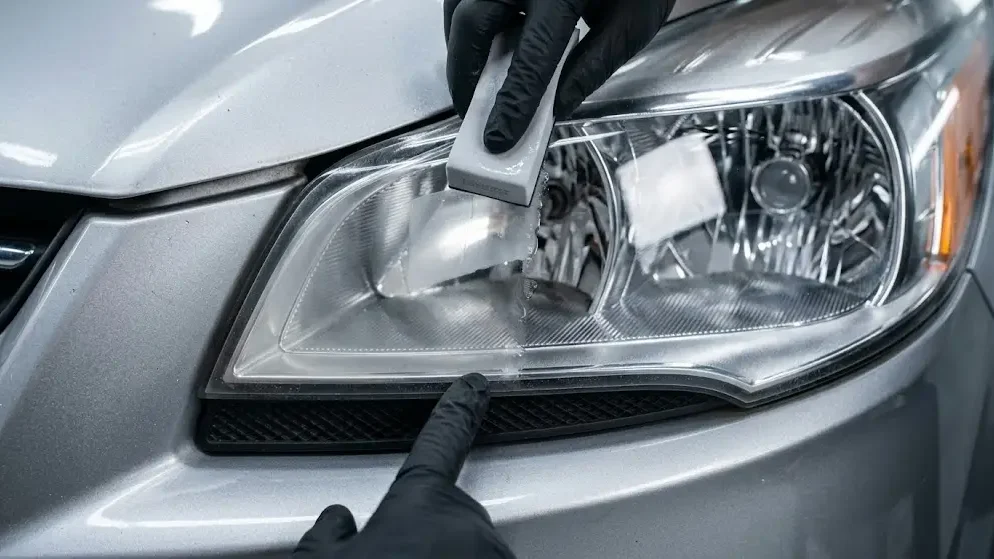
A coating is an important part of professional headlight restoration. After headlight oxidation NJ has been removed the plastic needs protection from the environmental factors that caused the original damage. A quality UV-resistant coating can create a barrier over the restored surface. The durability of that protection depends on the coating, climate, vehicle storage and maintenance habits.
Drivers who regularly park outdoors should be particularly careful about UV exposure. Keeping the vehicle under cover whenever practical can further reduce sunlight and help extend the life of the restoration.
Why Brick Township Drivers Should Address Headlight Oxidation Early
Drivers in Brick Township and throughout New Jersey should not ignore yellow headlights. Headlight oxidation NJ generally becomes more noticeable over time. A small amount of haze can eventually develop into discoloration and surface deterioration.
Addressing the problem early can help maintain the appearance and functionality of the headlights. There is also a reason to take care of oxidation before it becomes severe. If the exterior lens is the problem and the headlight assembly itself is working correctly, restoration may be a more affordable option than replacing the entire assembly.
Restoration can remove damaged surface material, improve clarity and add protection against environmental exposure. For Brick Township drivers, inspection of the headlights is a simple part of vehicle maintenance. Keep an eye out for yellowing, haze, cloudiness, scratches, and visibility changes.
Final thoughts
If the lenses are already heavily oxidized consider having them professionally evaluated. Understanding headlight oxidation NJ issues can help you take care of your vehicle in New Jersey’s changing environment. Sun exposure is a contributor, but road debris, salt, moisture, temperature changes and improper cleaning can also accelerate deterioration.
If your headlights have become cloudy or yellow professional restoration may help restore their clarity without replacing the assembly. With cleaning UV protection and regular maintenance afterward, you can help keep the restored lenses looking clearer for longer.